
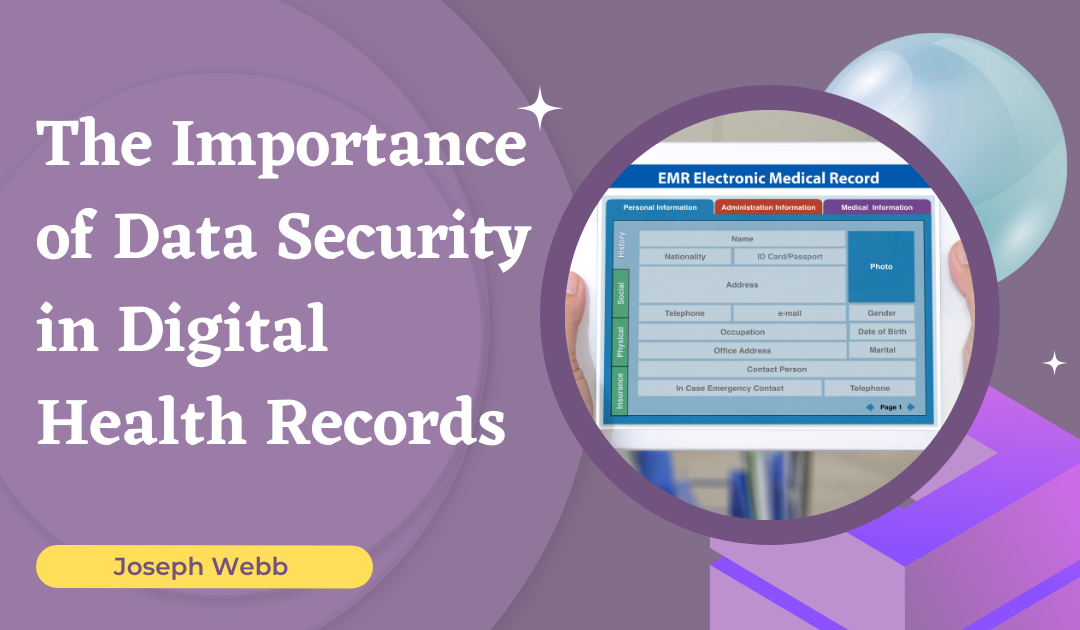
As healthcare systems around the world increasingly shift towards digital health records, data security has become a critical concern. Electronic health records (EHRs) offer significant benefits, such as improved access to patient information, enhanced coordination of care, and more efficient administration of services. However, the transition from paper-based records to digital formats also introduces new risks related to data privacy and security. Protecting patient information from unauthorized access, cyberattacks, and data breaches is essential to maintaining trust in healthcare systems and ensuring that personal health information remains confidential and secure.
One of the primary concerns in digital health records is the risk of data breaches. Healthcare organizations store vast amounts of sensitive patient data, including medical histories, test results, diagnoses, treatment plans, and insurance information. This information is invaluable and attractive to cybercriminals, who may seek to steal or ransom this data. Data breaches in healthcare can have severe consequences, both for patients and healthcare providers. For patients, breaches can result in identity theft, insurance fraud, and the unauthorized use of personal health information. For healthcare organizations, breaches can lead to reputational damage, legal liabilities, and significant financial costs associated with recovering from an attack.
To mitigate the risks associated with data breaches, healthcare providers must implement robust data security measures. One of the most critical steps is encryption. Encrypting patient data ensures that even if it is intercepted during transmission or accessed by unauthorized individuals, it cannot be read without the proper decryption key. Encryption should be applied not only to data at rest (stored data) but also to data in transit (data being transferred between systems). This ensures that patient information remains secure both when it is stored in databases and when it is shared between healthcare providers or with patients.
Another key aspect of data security in digital health records is access control. Healthcare organizations must establish strict protocols to ensure that only authorized personnel can access sensitive patient information. This includes implementing strong authentication methods, such as multi-factor authentication, and ensuring that employees have access only to the data they need to perform their job functions. Role-based access control (RBAC) allows organizations to set permissions based on the roles and responsibilities of each user, minimizing the risk of unauthorized access to confidential information.
Regular security audits and vulnerability assessments are also essential to identifying potential weaknesses in healthcare systems. By conducting routine checks, healthcare organizations can proactively address any vulnerabilities before they are exploited by malicious actors. Security patches and software updates should be applied promptly to protect systems from known vulnerabilities. Additionally, ensuring that EHR systems are compliant with regulations such as the Health Insurance Portability and Accountability Act (HIPAA) is crucial for maintaining the security and privacy of patient data.
Employee training is another vital component of data security in digital health records. Many data breaches occur due to human error, such as employees inadvertently clicking on phishing emails or mishandling sensitive data. Regular cybersecurity training helps staff recognize the signs of potential threats, understand the importance of protecting patient data, and follow best practices for maintaining data security. It is essential to create a culture of security within healthcare organizations, where employees are actively engaged in safeguarding patient information.
In addition to protecting against external threats, healthcare organizations must also consider internal threats to data security. Insider threats, whether intentional or unintentional, can be equally damaging. Healthcare providers should implement measures to monitor and audit employee access to sensitive information, looking for any signs of inappropriate or unauthorized access. Furthermore, healthcare organizations should have clear policies in place for how to handle data, including the proper disposal of electronic records and ensuring that data is deleted or anonymized when it is no longer needed.
As the healthcare industry becomes more digitized, the importance of data security will only continue to grow. The benefits of digital health records are clear, but they must be balanced with a commitment to protecting patient privacy and safeguarding against cyber threats. By investing in robust security measures, regularly updating systems, and fostering a culture of security awareness, healthcare organizations can ensure that digital health records remain a safe and effective tool for improving patient care and advancing healthcare outcomes.
In conclusion, data security in digital health records is not just a technical requirement; it is an essential aspect of maintaining the trust and confidence of patients. As healthcare systems embrace digital solutions, they must prioritize the protection of sensitive patient information. By implementing encryption, access controls, regular audits, and employee training, healthcare organizations can protect against cyber threats and ensure that patient data remains secure and confidential. With strong data security measures in place, digital health records can continue to drive improvements in healthcare delivery while safeguarding patient privacy.