
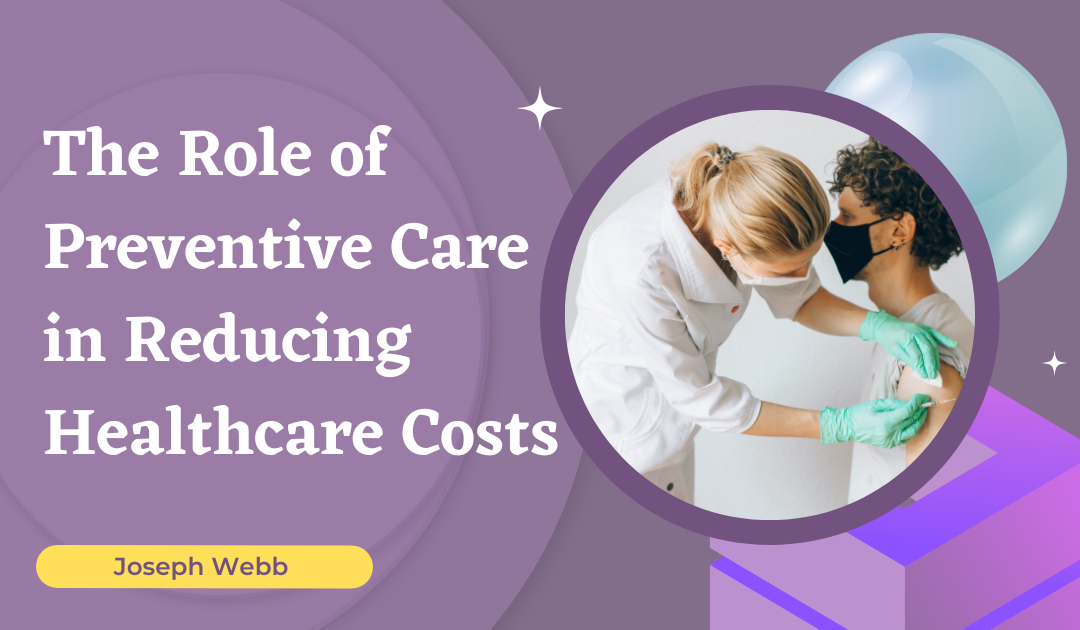
Preventive care is a critical strategy in reducing healthcare costs, improving patient outcomes, and promoting long-term health. Traditionally, the healthcare system has been focused on treating illness after it occurs, often leading to higher costs due to the need for more complex treatments and interventions. However, the shift toward preventive care represents a proactive approach that not only improves individual health but also eases the financial burden on healthcare systems, insurers, and society as a whole.
Preventive care includes a wide range of services aimed at identifying and mitigating health risks before they lead to serious conditions. This can range from routine screenings and vaccinations to lifestyle interventions such as dietary counseling, exercise programs, and smoking cessation efforts. The goal of preventive care is to detect potential health issues early, manage risk factors, and promote healthier lifestyles, all of which contribute to a reduction in the incidence of chronic diseases like diabetes, heart disease, and cancer.
One of the most significant ways preventive care reduces healthcare costs is by detecting diseases in their early stages, often before symptoms appear. Early detection allows for less invasive treatments and often leads to better outcomes. For example, screening for conditions like high blood pressure, high cholesterol, or colorectal cancer can identify risks before they develop into more severe health problems. Catching diseases early often means lower-cost interventions, fewer hospital admissions, and a reduced need for expensive medications or surgeries. For example, treating high blood pressure through lifestyle changes and medication can prevent more severe conditions like heart attacks or strokes, which would require far more expensive treatments.
Vaccinations are another critical aspect of preventive care that helps reduce healthcare costs. Vaccines prevent the spread of infectious diseases like influenza, pneumonia, and measles, which can otherwise lead to costly hospitalizations and even death. By investing in vaccination programs, healthcare systems can prevent large outbreaks, reduce hospital admissions, and lower the overall cost of treating preventable diseases. In addition, vaccines not only save money by preventing disease, but they also reduce the need for long-term care for individuals who may suffer permanent consequences from vaccine-preventable illnesses.
Lifestyle counseling is another important preventive measure that can help reduce long-term healthcare costs. Obesity, smoking, and poor nutrition are leading causes of chronic conditions such as diabetes, heart disease, and respiratory illnesses. By encouraging healthy habits and providing patients with resources to make positive lifestyle changes, healthcare providers can significantly reduce the risk of developing these conditions. For example, a patient who successfully quits smoking or adopts a healthier diet is less likely to develop lung cancer or cardiovascular disease, which would otherwise require costly treatments and interventions. Smoking cessation programs, weight loss initiatives, and exercise classes can be highly effective in reducing the incidence of these chronic diseases, ultimately saving healthcare dollars.
Preventive care also plays a key role in reducing emergency room visits and hospital readmissions. Many individuals only seek medical care in emergency situations, often after their condition has escalated. This can lead to costly ER visits, hospital stays, and long-term care. Preventive care encourages individuals to seek regular check-ups and screenings, which helps catch health issues early before they become emergencies. By reducing the number of emergency room visits and hospital admissions, preventive care can help alleviate some of the financial pressures on the healthcare system.
For employers, preventive care initiatives can lead to lower healthcare premiums and reduced absenteeism. Employees who participate in wellness programs and receive regular health screenings are less likely to miss work due to illness. This leads to increased productivity and lower overall healthcare costs for employers who provide insurance benefits. By investing in preventive care programs, companies can create a healthier workforce and ultimately lower their spending on healthcare claims.
The financial benefits of preventive care extend beyond individual health and savings. By reducing the incidence of chronic diseases, preventive care helps reduce the overall burden on public health systems. Governments and insurance companies can save significant amounts of money by investing in preventive services, which ultimately benefits taxpayers and policyholders. In the long run, preventing diseases from developing or worsening leads to lower overall healthcare expenditures and a more sustainable healthcare system.
In conclusion, preventive care is a powerful tool for reducing healthcare costs, improving patient outcomes, and fostering a healthier population. By focusing on early detection, vaccinations, lifestyle counseling, and reducing the risk of chronic diseases, healthcare systems can reduce the financial burden of treating preventable conditions. As more individuals, employers, and policymakers embrace preventive care, we will see a significant reduction in healthcare costs, as well as improved overall public health.